
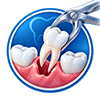
Tooth extractions
For teeth too damaged, decayed, or infected to predictably restore.
- Severe decay or fracture
- Advanced infection
- Periodontal breakdown

Extractions, wisdom teeth, and implant-related procedures — most performed right here in our Encinitas dental office, by a team that starts every plan by asking what can be saved first.
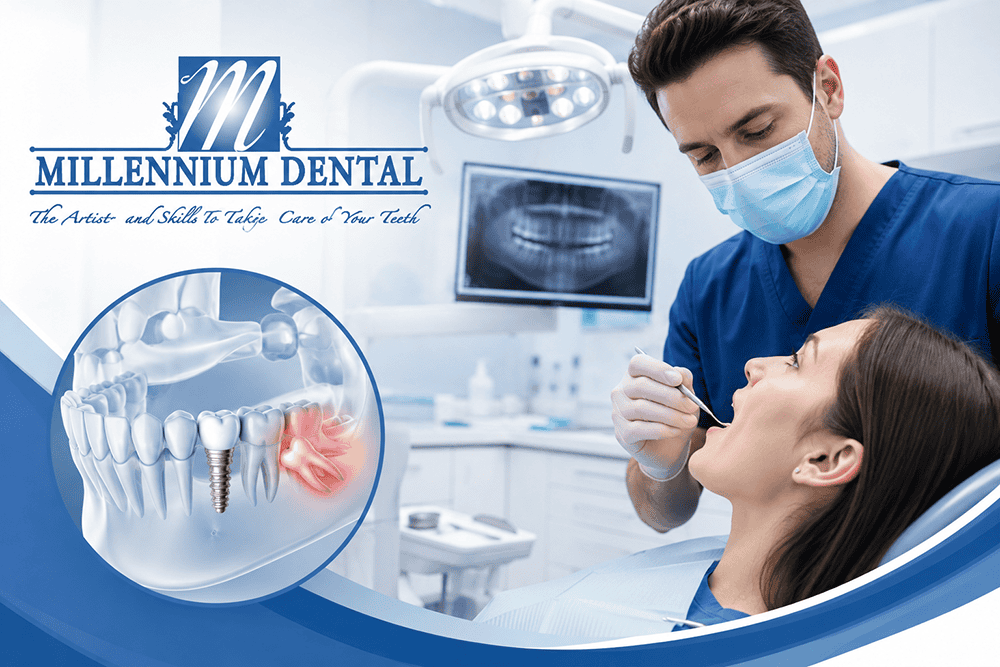
Keep as much natural tooth structure as possible — then decide what treatment fits. — Dr. Zobair Baha, on his approach to conservative dentistry at Millennium Dental
We start by evaluating whether a tooth can be preserved before surgery is ever on the table.
When a case needs more than our office can offer, Dr. Baha coordinates the referral himself, through a trusted network of oral surgery specialists.
If a tooth does need to come out, we talk through what comes next — implants included — before, not after.
From a single problem tooth to a full implant plan, treatment starts with an exam and an honest read on your options.
For teeth too damaged, decayed, or infected to predictably restore.
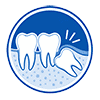
Not every wisdom tooth causes trouble — imaging tells us which do.
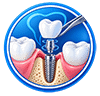
Planning that accounts for bone, gum health, and the tooth's exact location.
Surgery is never the starting assumption. Here's the order we work through before anything is decided.
Symptoms, history, and imaging — so the actual cause is clear before we talk about treatment.
Conservative options are considered before extraction is ever recommended.
If a procedure is appropriate, you'll hear the reasoning and the alternatives — not just the recommendation.
Recovery, follow-up, and — if needed — replacement options like a dental implant.
Complex cases go to a trusted oral surgery specialist, coordinated by Dr. Baha.
Still unsure what applies to you? A quick call usually clears it up, or visit our family dentistry homepage for the full range of services.
Call 760-436-6161Not necessarily. It depends on the complexity of the case and your individual circumstances — many extractions are handled comfortably in our office.
No. If yours aren't causing problems, we may simply monitor them. Removal is discussed only when there are signs of disease or other concerns.
Often, yes. A dental implant is one option, but the right solution depends on an individual evaluation of your bone, gums, and overall oral health.
Contact us right away for evaluation. If you have difficulty breathing or swallowing, or swelling that's progressing quickly, seek emergency medical care immediately.
Tell us what's going on and a member of our team will follow up to schedule your visit — usually within one business day.